


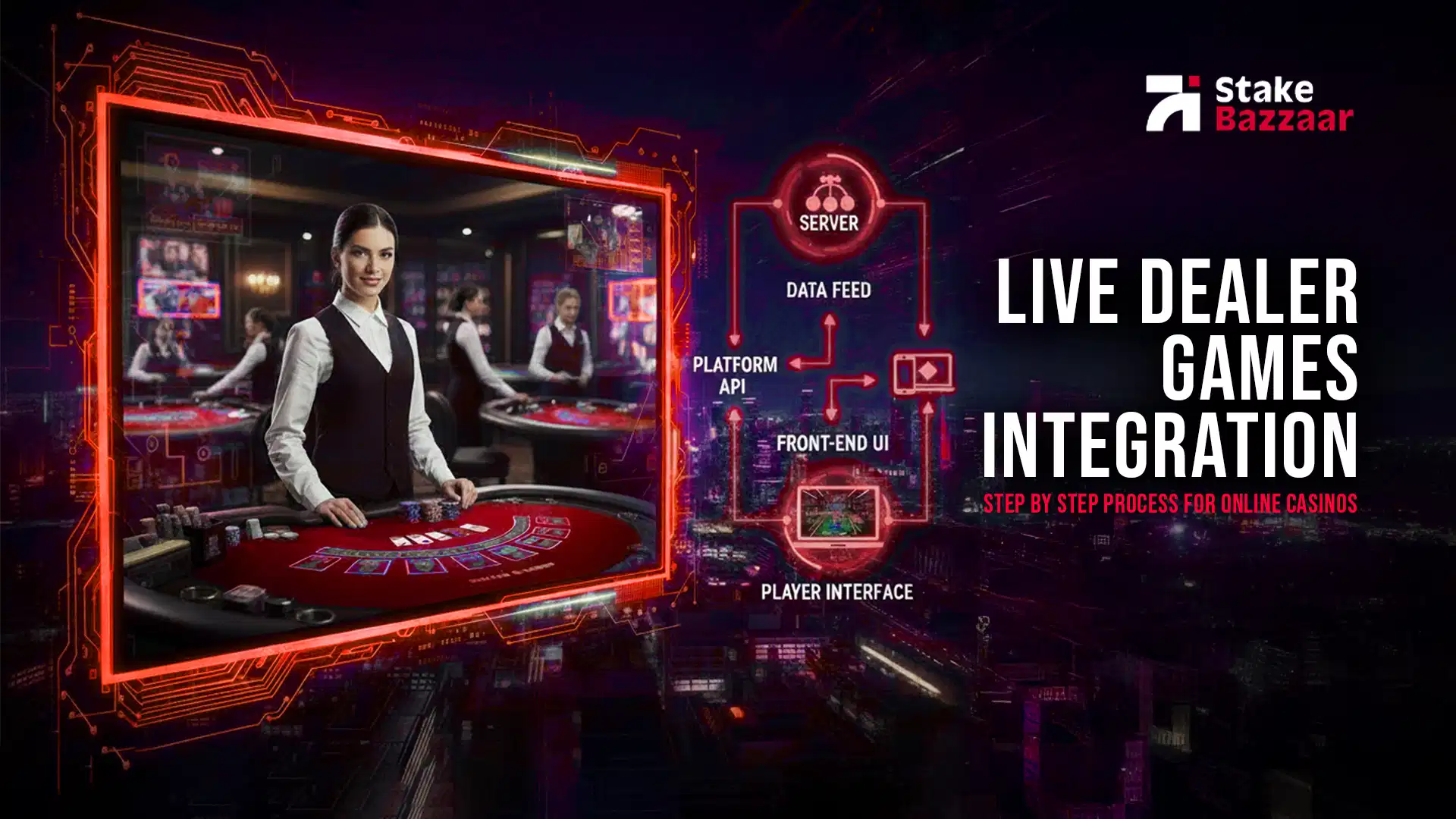

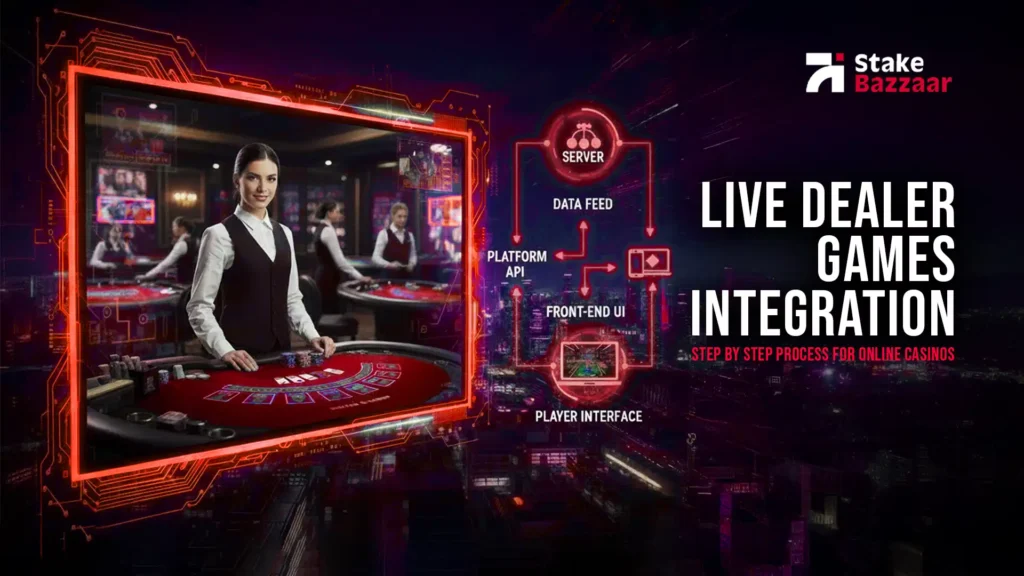
Live dealer games integration is now a core feature for online casinos that want to build trust, engagement, and long-term player loyalty. Unlike standard digital casino games, live dealer games bring real dealers, real cards, and real-time interaction directly to players’ screens.
This article explains the live dealer games integration process step by step, helping casino operators understand how it works, what is required, and how to launch successfully.
What Is Live Dealer Games Integration?
Live dealer games integration is the technical and operational process of connecting an online casino platform with live casino studios. These studios stream real dealers hosting games such as blackjack, roulette, and baccarat in real time.
Players place bets online while watching the dealer through HD video streams, creating a transparent and realistic casino experience. For operators, this form of integration improves credibility, increases playtime, and attracts high-value users.
Technical Requirements for Live Dealer Platform Setup
Before starting the live dealer casino integration process, your platform must be technically prepared. A stable foundation ensures smooth gameplay and fewer issues after launch.
Core Technical Requirements
| Requirement Area | Description |
|---|---|
| Platform Support | Must support real-time gameplay on web and mobile devices |
| Server Infrastructure | High-performance servers with load balancing |
| Network Stability | Low-latency connections for smooth video streaming |
| Security Standards | Encrypted data, secure sessions, fraud prevention |
| Compliance Readiness | Compatibility with gaming licences and regulations |
Meeting these requirements early helps avoid delays during live dealer API integration.
Live Dealer API Integration and Backend Configuration
The most important stage of live dealer games integration is connecting your platform with the live casino provider using APIs.
Through live dealer API integration, your system manages:
- Player authentication
- Wallet balance updates
- Bet placement and results
- Live game sessions
The backend handles communication between players, dealers, and payment systems in real time. A strong backend ensures accuracy, speed, and scalability as player traffic increases.
Game Setup and Customisation
Once the API connection is active, operators configure how live dealer games appear on their casino platform.
This step includes:
- Selecting available games and tables
- Setting betting limits for different player levels
- Choosing supported languages and currencies
- Matching the game interface with brand design
A flexible live dealer platform setup allows operators to target different markets and player preferences effectively.
Testing and Quality Assurance Before Launch
Testing ensures that live dealer games run smoothly before opening access to all players. This stage is critical for player trust and long-term success.
Live Dealer Integration Testing Checklist
| Test Area | Purpose |
|---|---|
| Video Stream Quality | Ensure clear, stable HD streaming |
| Betting Accuracy | Confirm correct bet placement and payouts |
| Wallet Sync | Verify real-time balance updates |
| Latency Testing | Check response time between player and dealer |
| Mobile Compatibility | Ensure smooth gameplay on smartphones and tablets |
Many operators choose a soft launch with limited users to detect and fix issues early.
Final Launch and Ongoing Monitoring
After successful testing, live dealer games can be fully launched. However, continuous monitoring is essential to maintain quality.
Operators should track:
- Dealer uptime and stream stability
- Player activity and engagement
- Peak-hour performance
- Error logs and system alerts
Regular monitoring keeps gameplay smooth and helps maintain a premium live casino experience.
Common Challenges in Live Dealer Games Integration
Some challenges may arise during or after integration:
- Latency issues due to weak infrastructure
- Traffic spikes during peak hours
- Regional compliance updates for different markets
Choosing a provider that offers a complete live dealer games integration solution helps reduce risks and ensures long-term reliability.
Why a Step-by-Step Integration Approach Matters
A structured live dealer games integration process allows online casinos to:
- Launch faster with fewer errors
- Deliver consistent player experiences
- Scale without technical disruptions
- Build trust through real-time transparency
When integration is done properly, live dealer games become one of the strongest revenue and retention drivers on a casino platform.
FAQ
Live dealer games integration connects an online casino platform with real casino studios, allowing players to play with professional dealers via live video streaming.
On average, live dealer games integration takes 2 to 4 weeks, depending on platform readiness, customization, and testing requirements.
Yes, modern live dealer platforms are fully compatible with mobile, tablet, and desktop devices.
When implemented through licensed providers, live dealer games integration uses encrypted connections, secure APIs, and regulated gaming standards.
Yes, live dealer games can be integrated into existing casino platforms using APIs without rebuilding the entire system.
Conclusion
Live dealer games integration is more than a technical feature — it is a strategic upgrade that transforms how players experience online casinos. By following a clear integration process, preparing the right infrastructure, and testing thoroughly, operators can deliver a reliable and engaging live casino environment.
For casinos aiming to grow in competitive markets, investing in professional live dealer integration is a smart and future-ready decision.
